A grounded, collaborative space for people to give attention to what they need, find their footing, and build sustainable solutions.
Why We Are Unique
At Circle It Counseling, we believe that real growth happens in the 167 hours between appointments, not just the one hour we spend together. Relying on a weekly session alone is like stretching once a week—it’s a start, but it won’t build the deep, lasting mobility you need to navigate life's friction. We move beyond passive talk therapy by providing a practical, action-oriented framework designed to help you build psychological flexibility across every domain of your life.

Through personalized psychoeducation, bibliotherapy, and our signature "Circle It" worksheets, we help you bridge the gap between reflection and results. These tools aren't tedious homework; they are low-friction ways to document your emotions and obstacles in real-time. By bringing this objective data into our sessions, we can stop guessing and start building a tailored strategy to change your current trajectory, ensuring you have the tools to pivot, grow, and thrive in the real world.

No Risk First Step
We understand that taking the first step can feel like a gamble—especially if you've had passive or unhelpful experiences with counseling in the past.
Because of that, we start every client relationship with a free 15-minute consultation over call or Zoom.
We’ll discuss a personalized approach, figure out a realistic session frequency that fits your roster or busy life, and make sure you feel confident with how we work before making a commitment.
It’s completely confidential, entirely free, and leaves you with total control over what happens next.
Nothing to lose.
What it Actually Means to ‘Do the Work’?
Replacing Harmful Patterns
We all collect coping strategies, reflexes, and reactive habits throughout our lives. "Doing the work" is simply the conscious effort to swap those outdated, harmful responses for better alternatives. It’s about upgrading how you show up—not just for others, but for yourself.
Digging Up the Hidden
We spend years stuffing down feelings and experiences, hoping that if we ignore them, they’ll disappear. They don't. Doing the work means digging those things up, feeling them, and living honestly. It’s about ending the habit of hiding from yourself, all within a space where you can finally feel heard, safe, and supported by someone you can trust.
Facing the Issues
It is always easier to look the other way. We naturally turn away from the things that make us feel uncomfortable or vulnerable. But doing the work means choosing to focus on that "easy to avoid" stuff now. By putting your attention on it today, you prevent the bigger, more painful issues from catching up with you later.
Giving Yourself Permission
For many, "doing the work" is the first time they truly give themselves permission to do something for themselves. It is the act of saying that your mental clarity, your peace of mind, and your recovery are worth the time. Sometimes it means showing up for yourself the same way you would for a loved one
Why This Matters
You can read every book, listen to every podcast, and make every promise - but until you look at the difficult stuff and make a structural change, nothing shifts. You aren't here to just vent; you are here to identify the change you want, and make it.
-
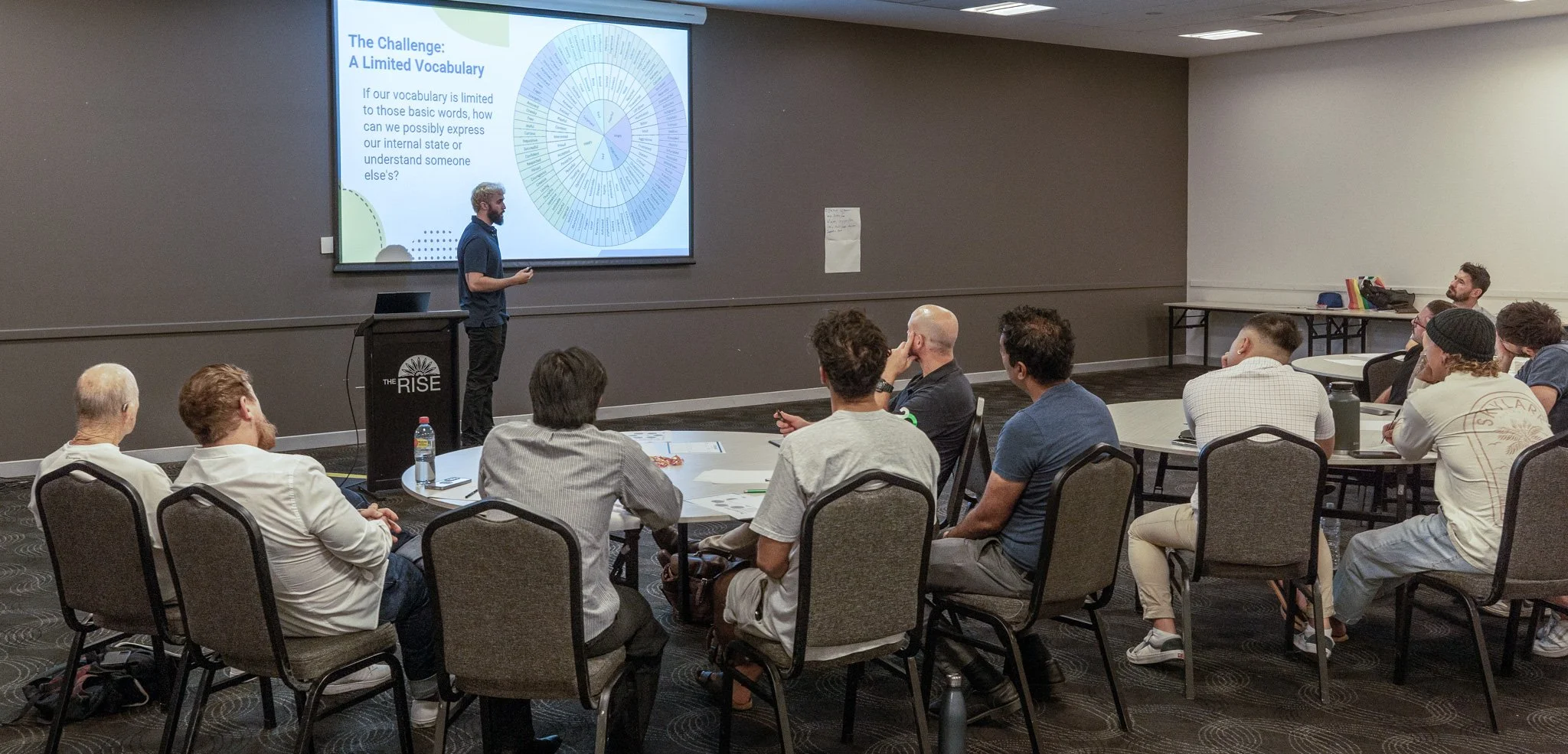
Stipping away the jargon and lingo to ensure genuine and honest conversation. An approach that shows up authentic and grounded.
-
Life is busy and stressful enough. Sessions are entirely online—over phone or Zoom—allowing you easy access to counseling whether you are working on-site, juggling a family, or deep in a busy schedule.
-
Sifting what is actually happening in your life from the critical stories you tell yourself. We look at real-life factors to help you drop the heavy weight of performance pressure, expectations and negative self-image.
-
Talking is great, but things only shift when you do something differently. Every catch-up concludes with a collaborative, highly customized action step built specifically around your day-to-day life.
Low-friction homework, sovereignty over growth, and simple tracking templates informed by Cognitive behavioral therapy (CBT).
Influences in approach
-
Years ago, I found a deep personal utility and passion for philosophy, leading me to tertiary university studies in the field, and way too many books.
Circle It Counseling is rooted in this literal 'love of wisdom' (philo-sophia). We draw from views such as Stoicism, Pragmatism (testing what actually works in your daily life), and Existentialism (taking ownership of your own path instead of living by everyone else's rules).
-
This comes from a basic human truth: you can get through an incredibly tough work roster or a stressful season of life if you have a rock-solid, personal reason for doing it. When that reason gets blurry or lost, the grind starts to feel hollow, exhausting, and frustrating.
We find your personal anchor—having that clear focus gives you a solid footing when things get heavy.
-
Cognitive behavioral therapy (CBT) looks to identify and challenge harmful or stagnating though patterns and beliefs. When your stress levels are running high, your brain is incredibly good at running loops and telling us stories that keep you feeling stuck, guilty, or defensive (like "I'm letting everyone down" or "This is never going to change").
We separate what is actually happening from the critical commentary running in your head, helping you break out of those mental loops and change how you react to pressure.
-
While understanding where you've been matters, we aren't here to endlessly dig up your past or analyze your childhood just for the sake of talking. This approach is all about looking at what is right in front of you and finding a way forward.
The goal is growth, so we look at what is already working in your favor, and coordinate actions to easily try out before our next catch-up.
-
No one lives in a vacuum. Your personal stress is deeply tied to how you connect with your partner, your kids, and your mates, and whether you're staying true to your own standards within those relationships.
We look honestly at where communication is breaking down or where you're feeling disconnected. We figure out how to express your needs clearly and rebuild solid, healthy connections without feeling like you're walking on eggshells.
-
Sometimes, talking about a problem isn't enough, you need to see how someone else solved it. You don't have to navigate life's struggles blindly when other people have already laid out the maps.
Utilizing resources such as an article, a quick podcast episode, or a specific chapter from a book that allows reflection and new ideas. It's strictly practical reading—no dry homework, just useful insights you can actually use.